About Eclectic Golf
Design Philosophies
-
Infinite Variety
For far too long, monotony and repetition have won the day in golf design. We reject this derivative approach by pursuing broad variety across all our hole designs, strategies, features, and aesthetics for maximum enjoyment and interest.
-
Sense of Place
Every piece of land has an inherent character, and it’s our job to uncover it. By seeking to enhance each landscape rather than impose predefined ideals, we create unique golf experiences that feel distinctly connected to their surroundings.
-
Design and Build
When you approve a design, it will be our team in the dirt building it, not a contractor attempting to interpret our plans. Allowing for more time on-site, greater experimentation, and a higher quality output than traditional plan-contract methods.
-
Resource Consciousness
Good golf need not be expensive, for the client or the planet. Ideas like embracing local flora, planting resilient grasses, and simplifying maintenance practices ensure our designs are both ecologically sound and operationally viable.
-
Social Sustainability
A vibrant golf culture, akin to the most sporting places in the game, depends on a course that players actively enjoy, not simply admire as an aesthetic product. Compelling grounds for the game, with beauty as its outcome (not its focus), are the foundation of any true community asset.
Our Services
Design
Strategic intent first.
-
With any renovation design, a clear understanding of the club’s needs must be established. Only then can goals be set, and a vision that resonates with the membership and improves the landscape can begin. From small-scale bunker work to a complete overhaul, the steps remain the same: understand the problems, ensure functionality across each touchpoint, and finish with meticulous detail.
-
While every original design depends heavily on its unique site, our philosophy is to extract as much character and distinction from that landscape as possible. From thoughtful hazard placements that influence tee and approach shots to intricately planned greens that require multiple plays to unlock their puzzle, an Eclectic Golf Original Design emphasizes interesting, replayable golf over the repetitive and monotonous.
-
A sound Master Plan that includes short and long-term goals is key to any golf course’s longevity. While outputs vary across clubs, each master plan document considers your property’s unique challenges and goals to develop a clear and unified vision for the future.
-
A full understanding of how your course fits into the historical context of its era and the architect who built it can help ensure the end product remains true to its original roots, avoiding modernization without careful consideration of the past.
-
When undertaking large-scale renovation work, it’s critical to also assess your existing turf to ensure it aligns with your property's intended goals and the changing climate. Thoughtful agronomic planning with new drought-tolerant, low-input grasses can often deliver benefits well beyond reduced maintenance costs.
Build
Function informs artistry.
-
Without functioning and efficient infrastructure, your golf course is fully susceptible to the hands of Mother Nature. Drainage, irrigation, and pathways are critical to ensuring the course performs as intended, allowing strategic and visual elements to emerge naturally from their sound function.
-
Reducing maintained turf acreage is one of the easiest ways to lower maintenance costs and enhance a landscape's aesthetics. We develop and implement plans for the placement and maintenance of these low-input areas and how they support your biodiversity strategy beyond tree planting.
-
When building bunkers, the basics of drainage, overall scale, and landscape integration must come first. Then, drawing on our extensive experience with entire bunker plans, we expertly shape them to align with the intent of the overall course design.
-
Greens are the most critical component of a golf course’s identity. They must not only be built to drain well, support the ground game, and promote sound agronomics, but also be engaging, offer ample pin positions, and integrate seamlessly with the surrounding landscape.
-
They are often overlooked, but poor teeing areas are among the most frequently complained about by players. Building tees that are not only in the correct location but also large enough to promote proper drainage, turf health and tee rotation is critical.
Refresh
Small changes, big impact.
-
Refining fairway and greenside mowing lines is an easy way to improve playability, restore intended approach angles, and bring back optionality and creativity to the approach and chipping game.
-
Trees are an important part of many courses’ playing and natural environment, but they must be managed. We evaluate their health, placement, and impact to ensure they support the strategy, maintain healthy turf conditions, and promote long-term course resilience.
-
Sometimes a full-scale bunker renovation isn’t feasible or necessary. We can assess your bunker’s form, drainage, and sand quality to keep them working properly as playable hazards, and in line with the design intent of your course.
-
If left unchecked, all greens naturally shrink over time with regular maintenance practices. This causes you to lose pin positions and negatively affects wear patterns on the green. We offer multi-step plans to bring these areas back into play, improving turf health and design variety in the process.
Principle Architect & Shaper
Ben Malach

Ben’s passion for golf was fostered from a young age by travelling and playing a wide variety of courses across North America with his mother, father, and grandfather. It was this verve that led Ben to take a break from the University of Calgary to become a starter and caddie at The Links of St. Andrews, allowing him time to study the great courses of the U.K. Notably among them were The Old Course, Sunningdale, and Dornoch, but he was equally intrigued by the local town courses and the game’s more unique places, like Crail, Formby Ladies, and Huntercombe.
Ben then began to embrace the idea of simple golf, grounded in a philosophy built from the land up. He immediately put these beliefs into action when he had the opportunity to join the team building Cliffs and The Nest at Cabot Cape Breton. These early lessons empowered him to develop his eclectic skill set and tackle any golf design-related challenge.
In his never-ending quest for knowledge, Ben plans regular “Study Trips” to off-the-beaten-path golf destinations, where he searches for new ideas, interesting features, and novel practices to enrich his future projects. He is a lover of music, art, literature, and generally lives by his beliefs.
2026 Study Trip: Netherlands, Belgium, France
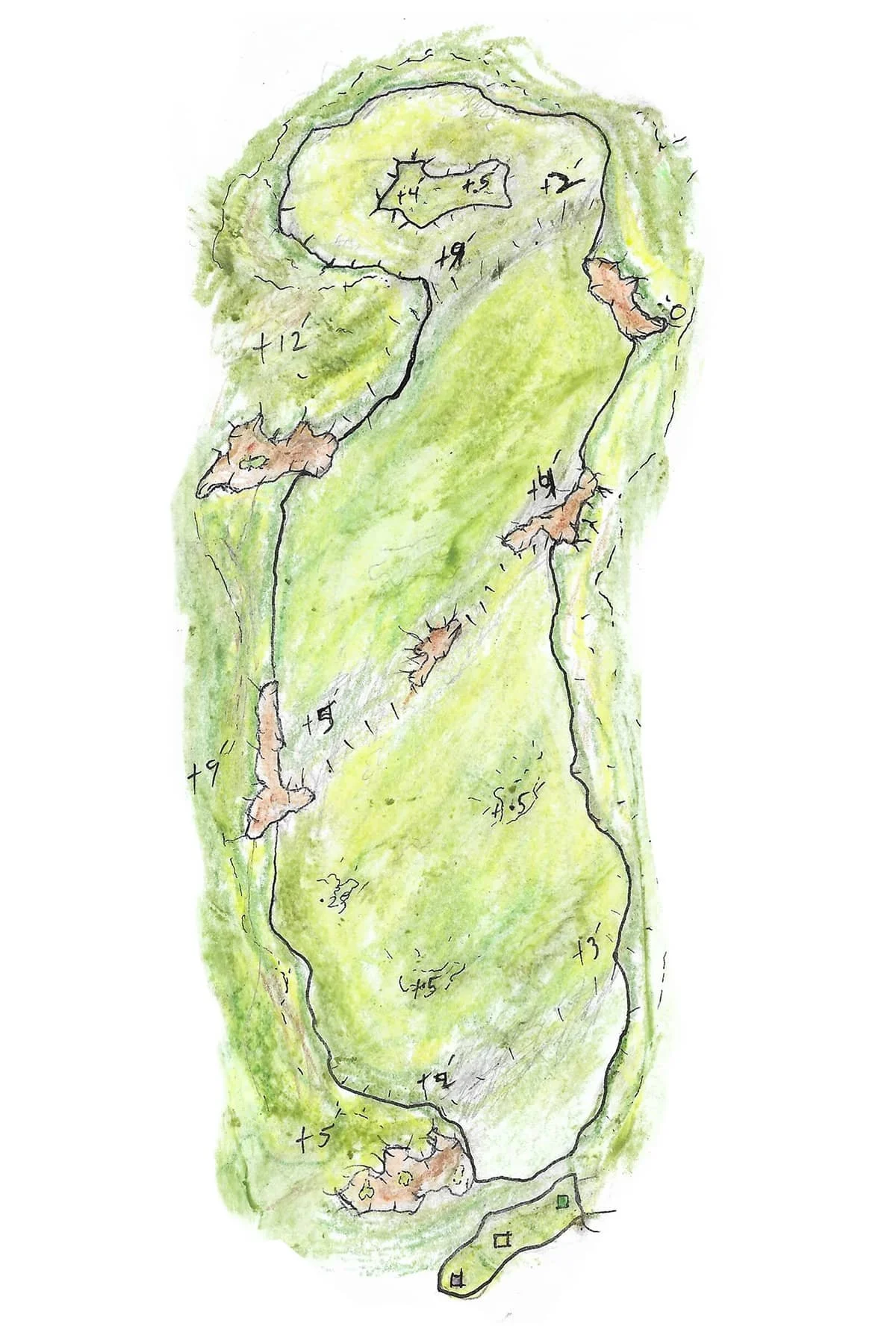
Lido Competition | Short Par 4
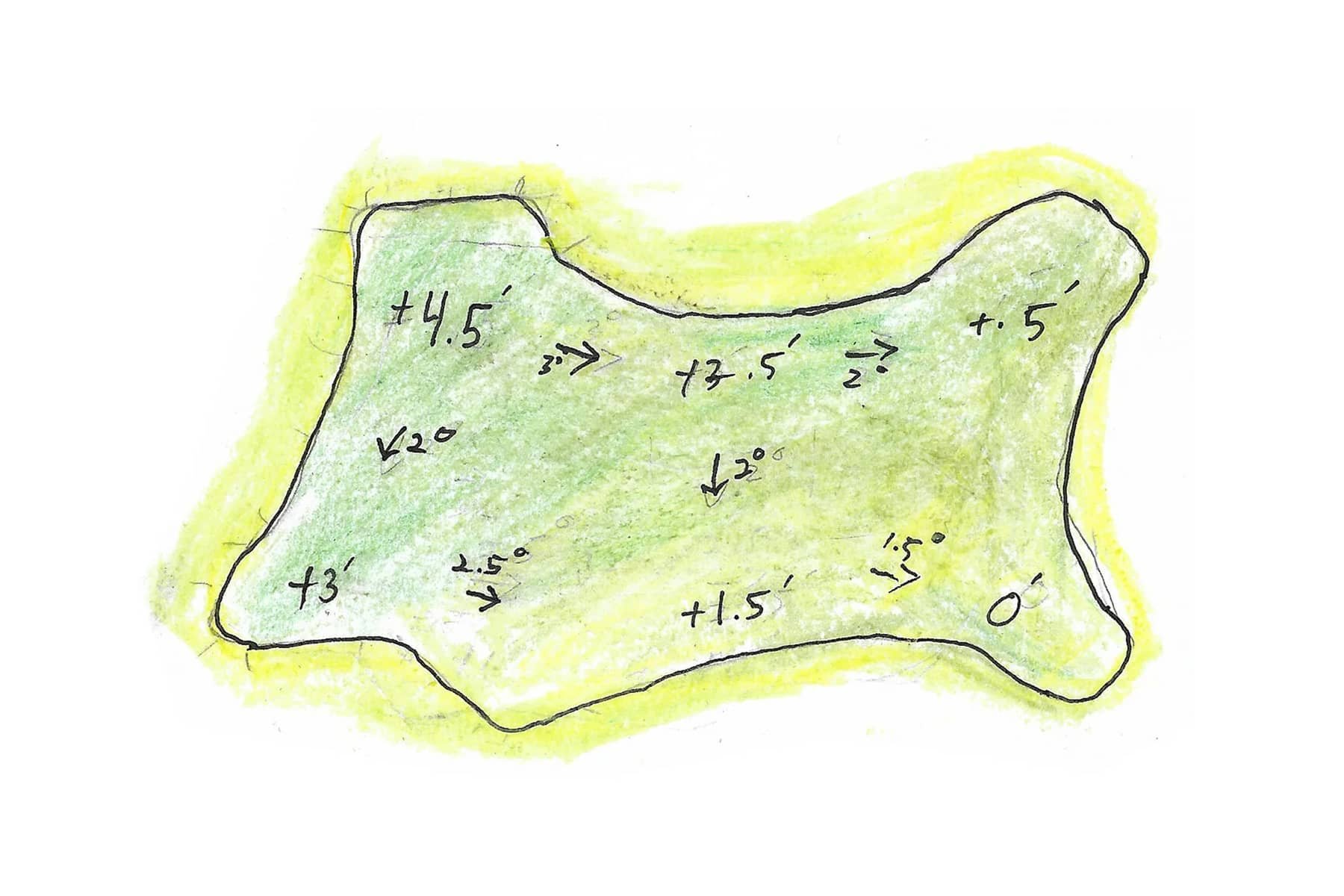
Lido Competition | Green
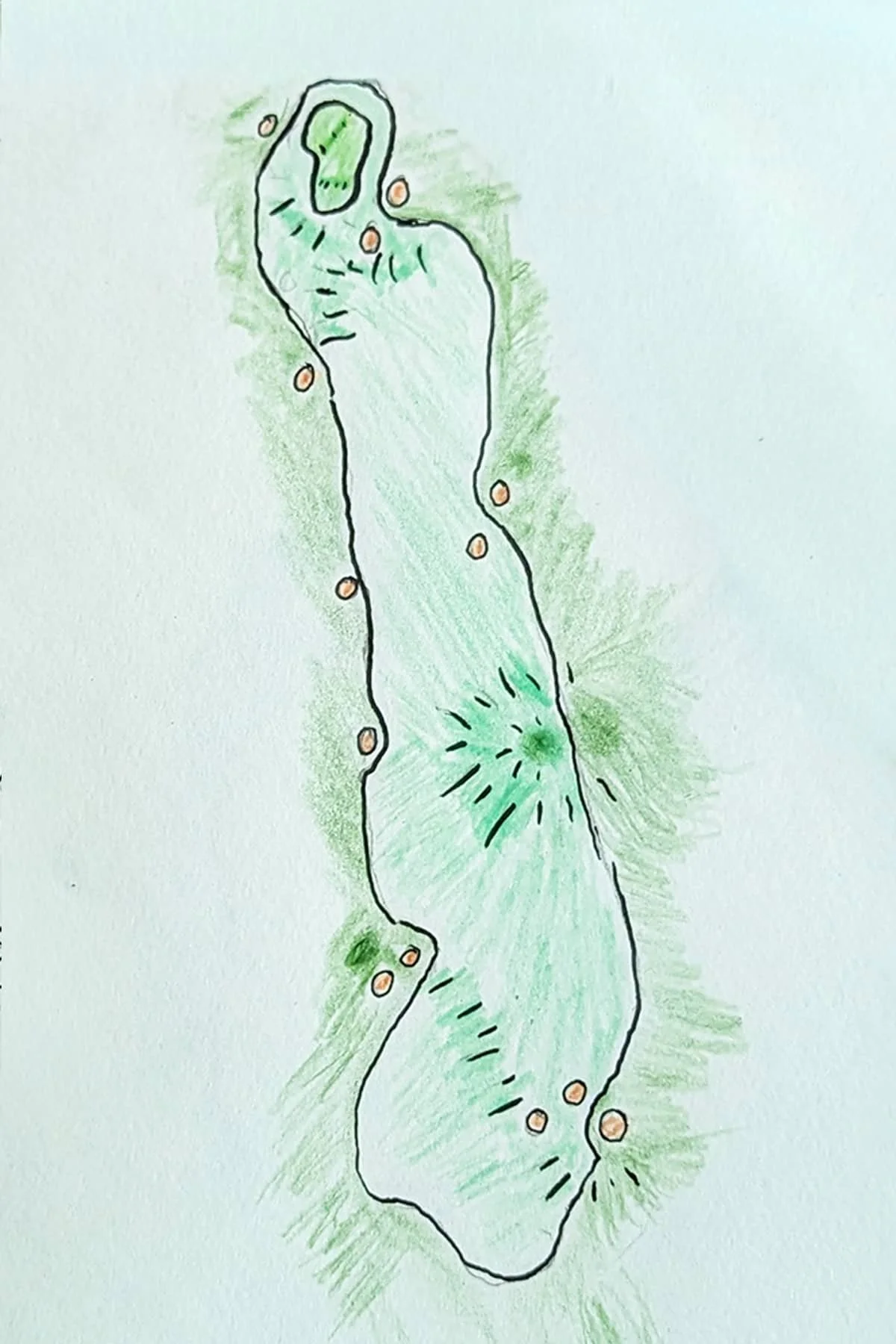
Study | Tarandowah Hole 14
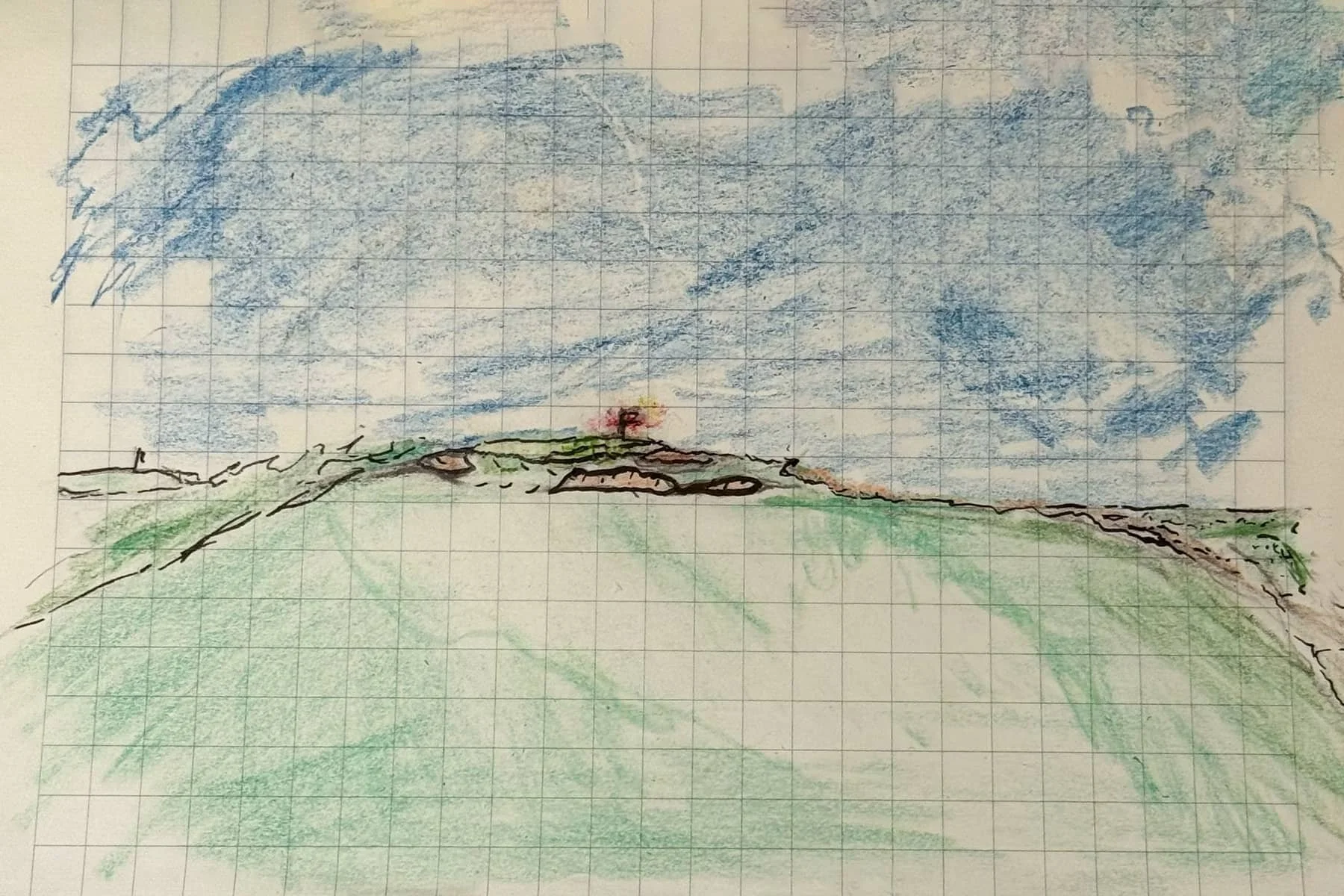
Concept | 350y Par 4
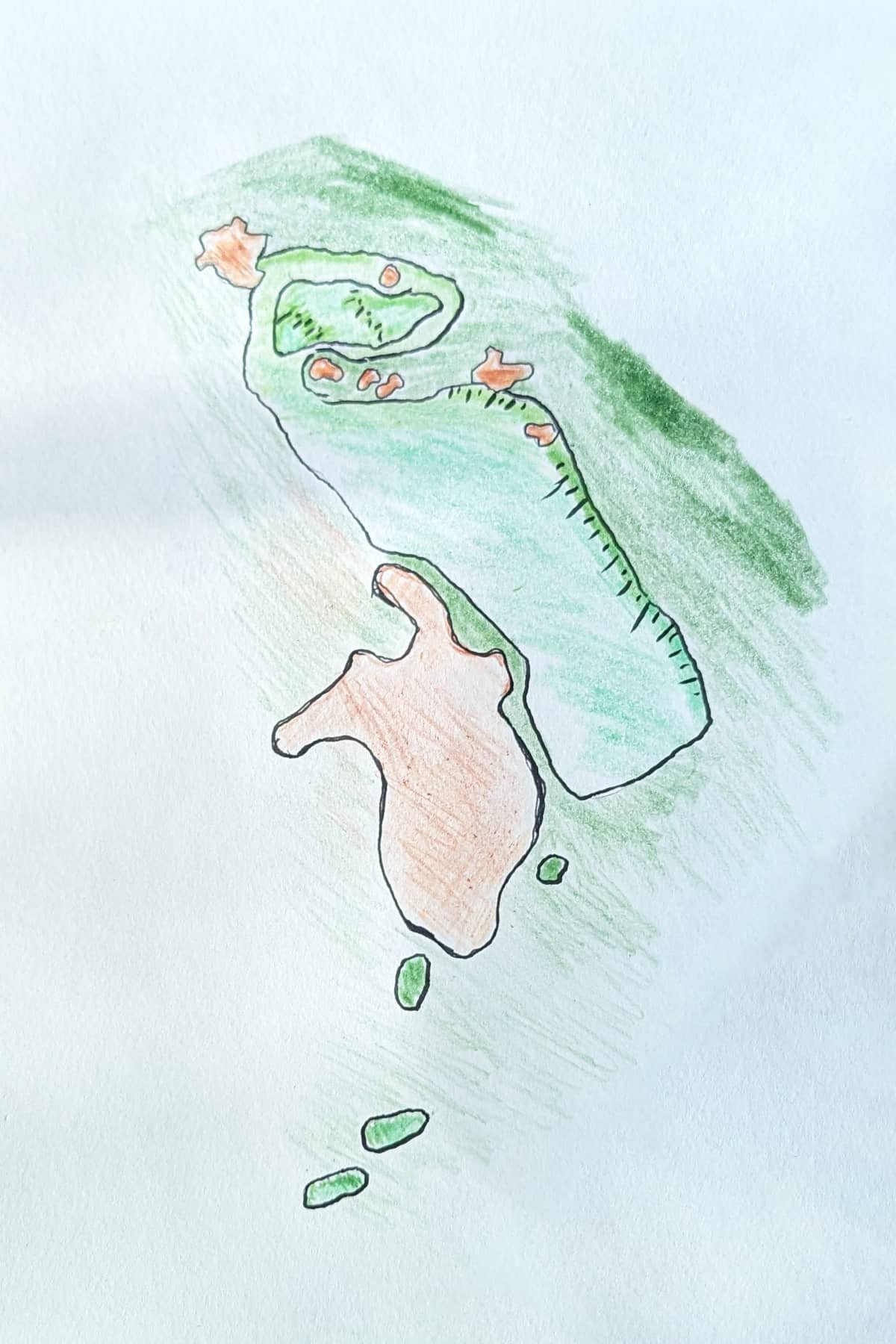
Study | Wolf Creek (Links) Hole 16
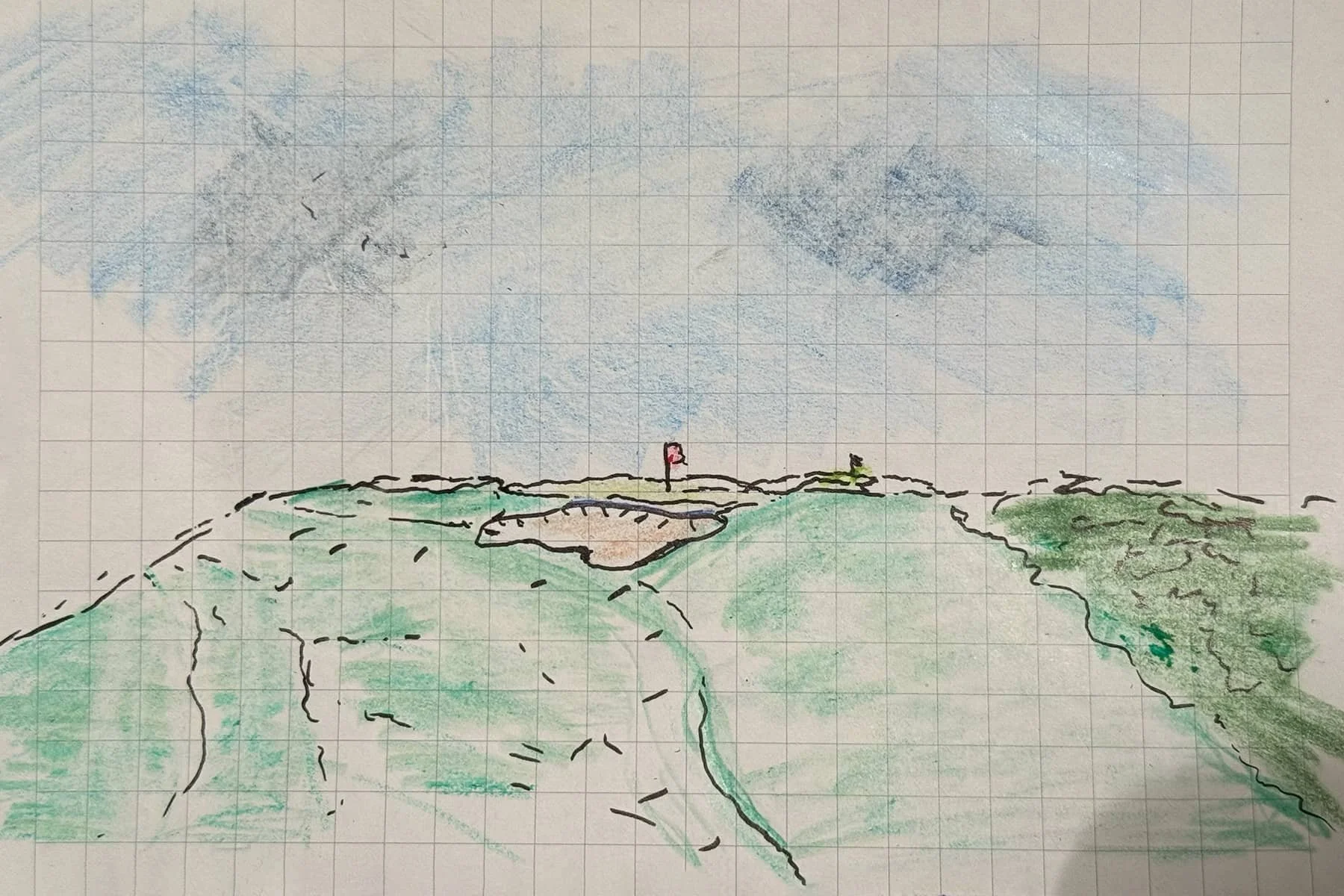
Concept | 240y Par 3
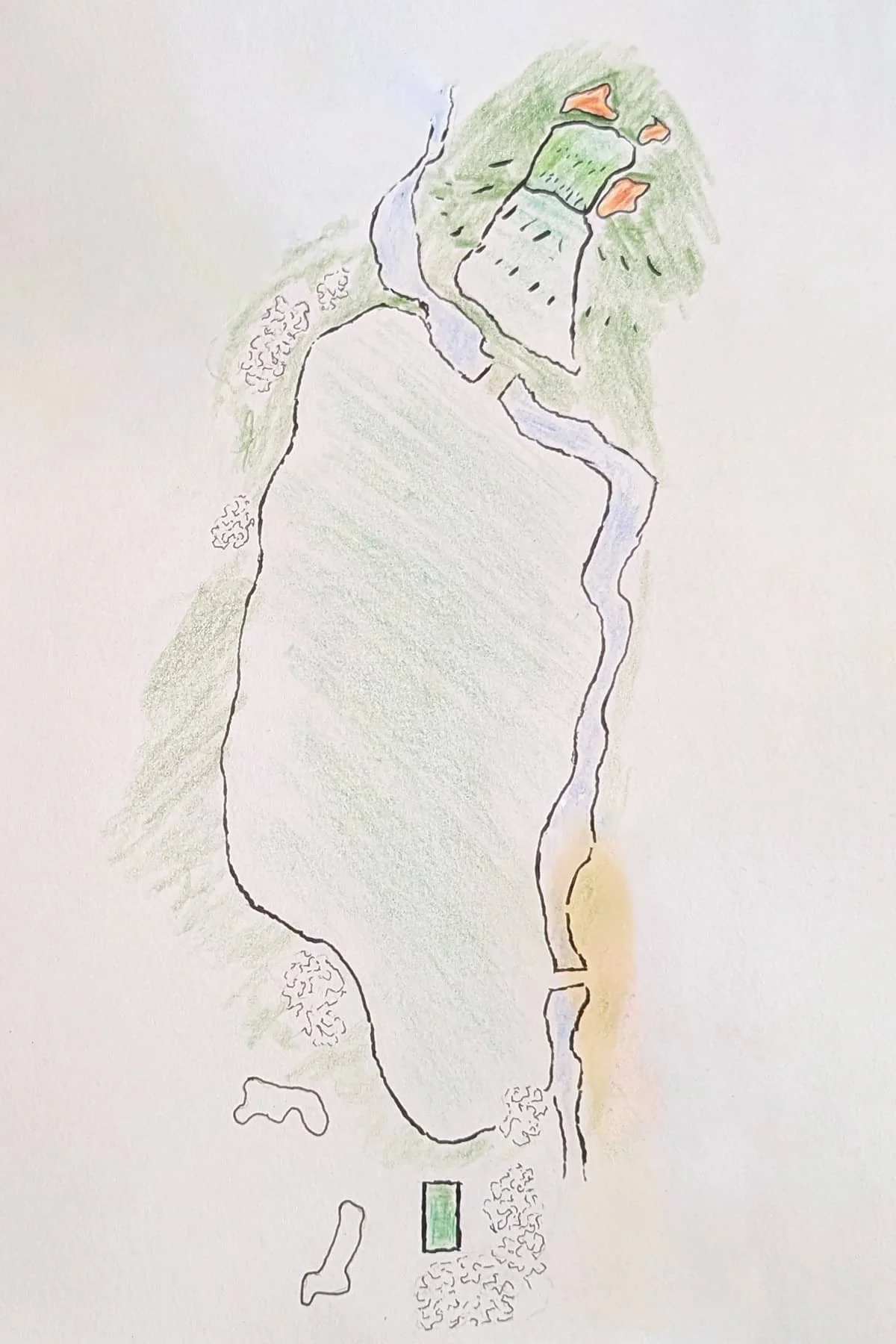
Study | Fundy National Hole 2
Project Index
-
With architect Todd Eckenrode | Bunkers, landscape shaping, green design
-
With architect Jay Blasi | Bunkers, assistant shaping
-
With architects Coore & Crenshaw | Finish work, grow in
-
With architects Dave Axland and Rod Whitman | Finish work, crew management, grow in consultant
-
With architect Mike Young and operator Ashley Young | Shaping, project management, site planning
-
With architect Mike Young | Project management, lead shaping, design consultation, historical restoration
-
With architects Garry Browning and Les Furber | Drainage, irrigation work
-
Master planning, consulting (Thompson) | Bunker shaping (Watson)
-
Consulting
-
With architect Andy Staples | Project consultation, historical restoration
-
With architect Andy Staples | Finish shaping, design consultation
-
With architect Jay Blasi | Bunkers, greens shaping, drainage work
-
With architect Tom Doak and design lead Angela Moser | Shaping
-
With architect Kyle Phillips | Mass grading, barranca restoration, bunker and greens shaping
Featured Projects
-
![Featured hole at Poppy Ridge with a greensite inspired by Waverly Golf Club.]()
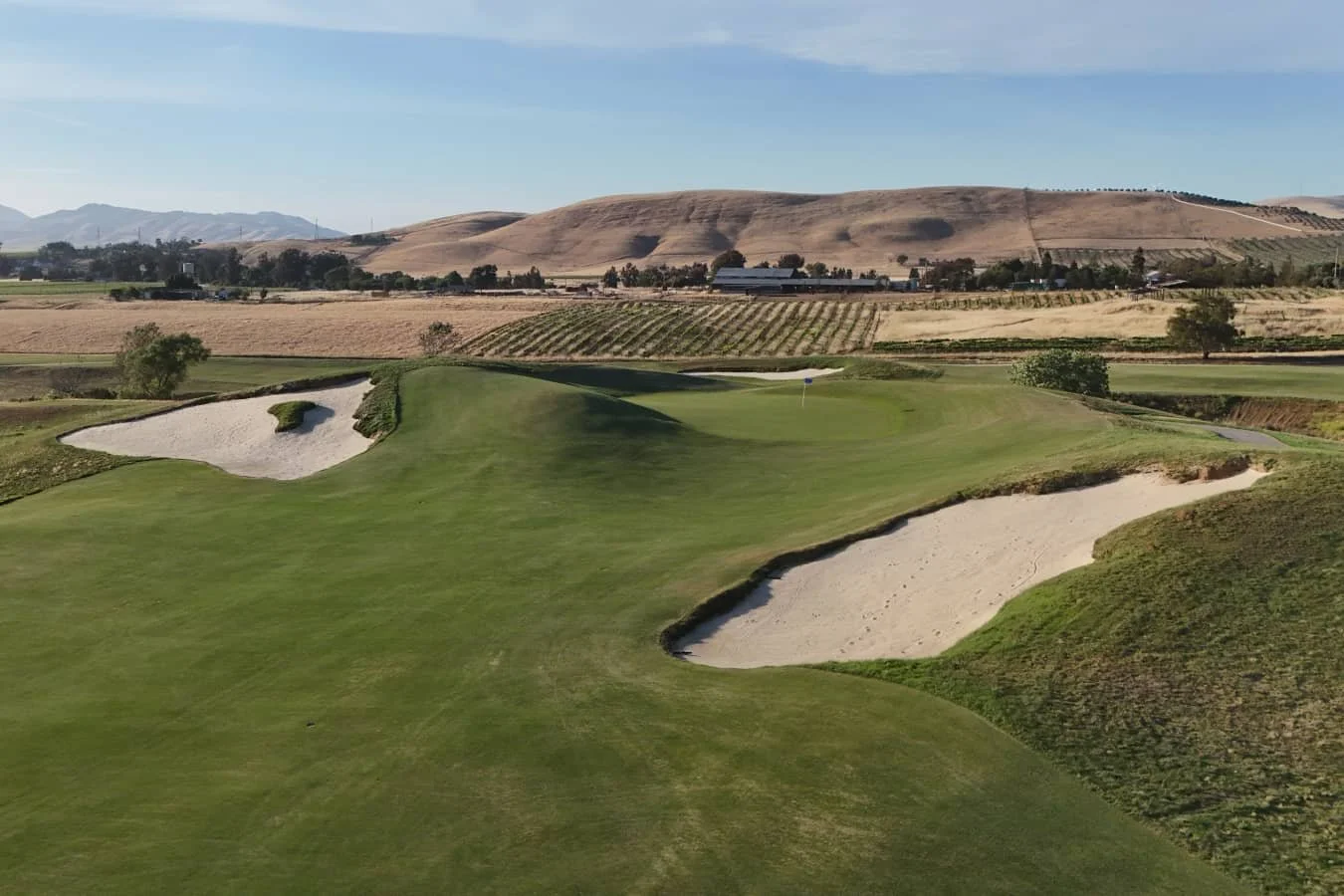
Poppy Ridge
CA, USA | A tired, underutilized NCGA facility received a complete overhaul from architect Jay Blasi. Eclectic Golf was instrumental in the construction of the property, with our design of the entire bunker scheme and many putting surfaces.
-
![A golf course under construction with disturbed soil, patches of grass, trees in the background, and clear blue sky.]()
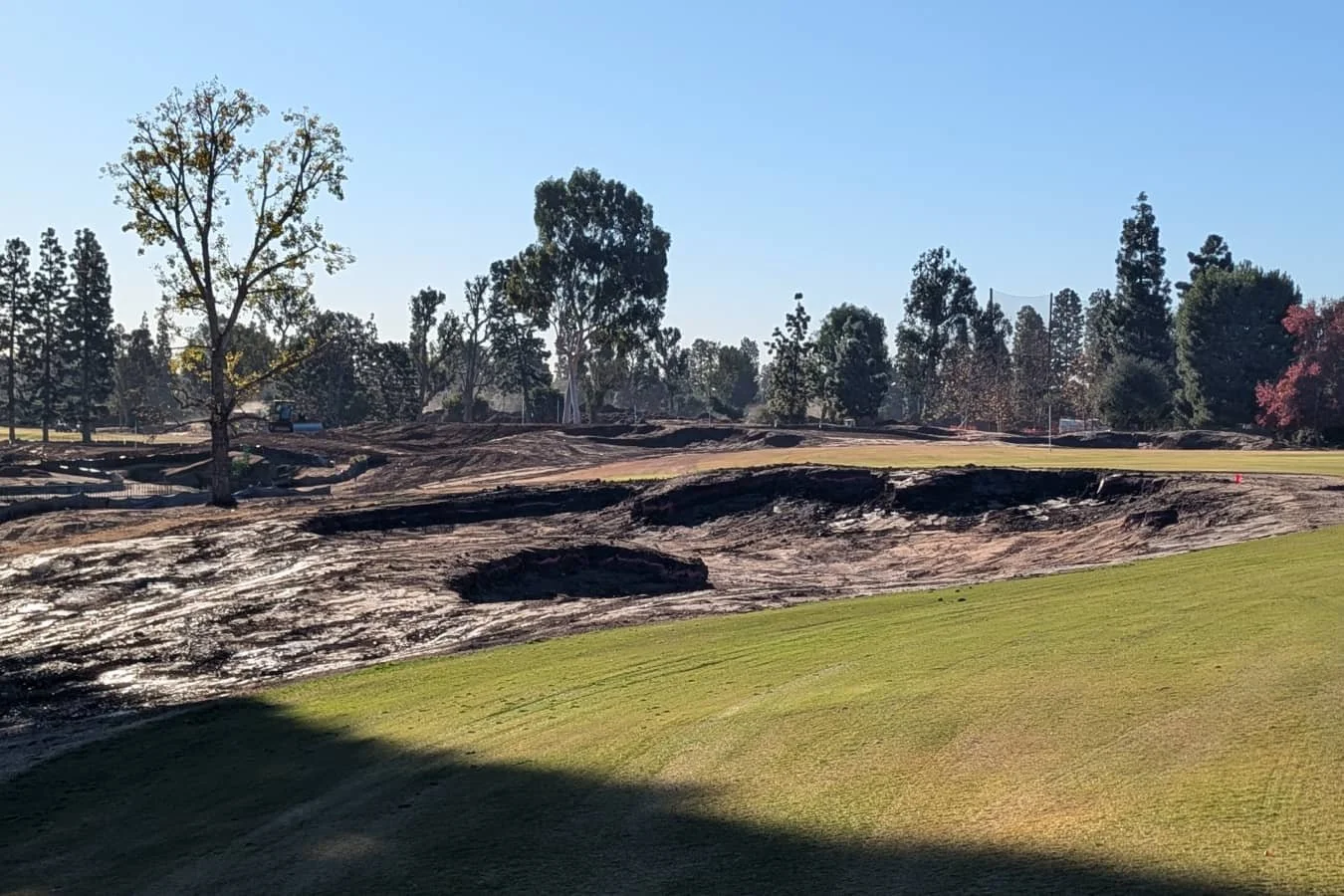
Wilshire Country Club
CA, USA | While it garners less attention than other Los Angeles greats, Wilshire is one of the perennial highlights on the LPGA Tour. Working with Kyle Phillips to preserve the original Norman Macbeth design involved our management of the entire site, including barranca, bunker, and green construction.
-
![An overhead view of The Fields in LaGrange, Georgia]()
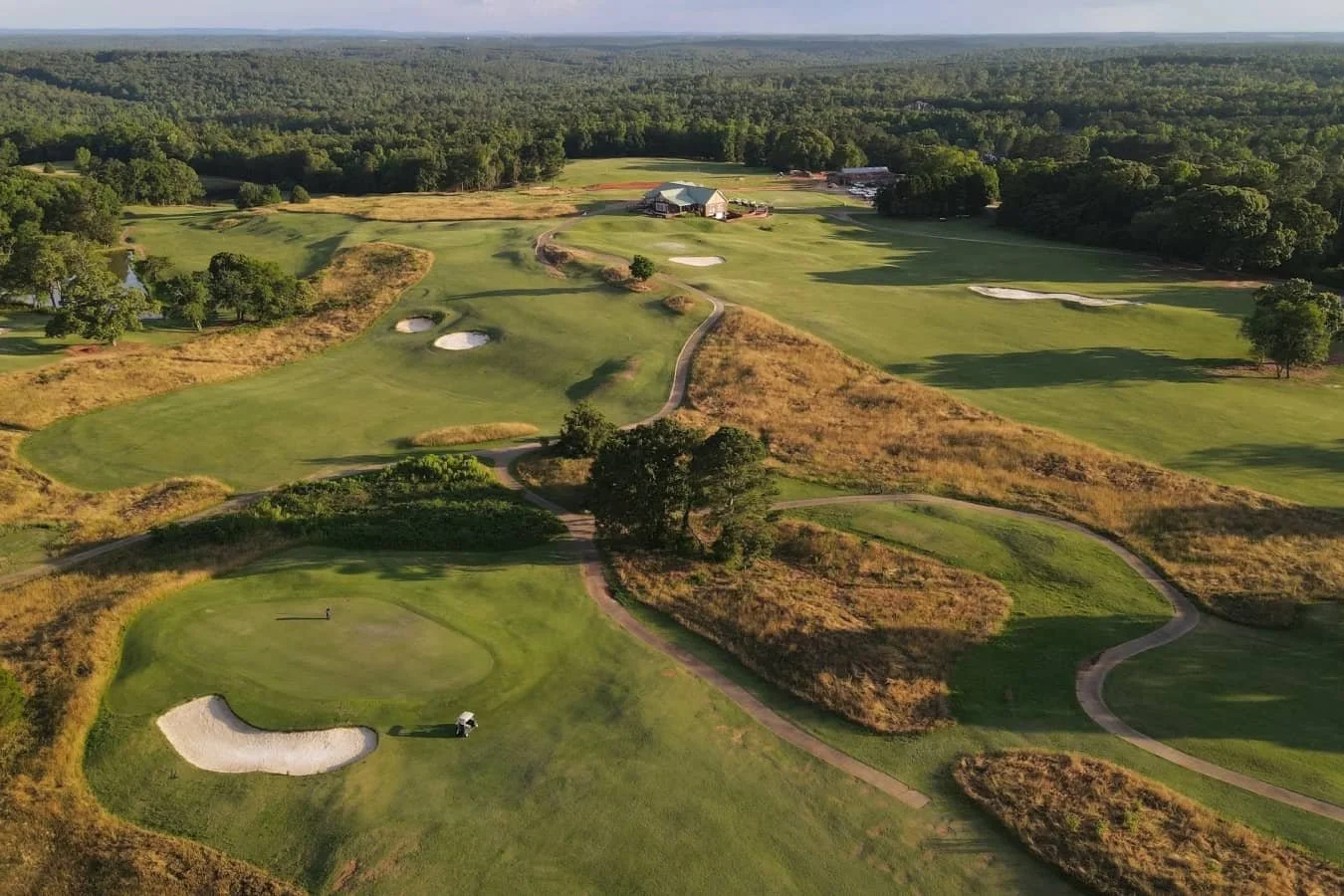
The Fields Golf Club
GA, USA | The Fields is a bastion for low-profile, affordable, and interesting golf in the South. Eclectic Golf assisted owner/architect Mike Young with bunker, tree, teeing ground, and drainage work.
-
![Johnson City Country Club aerial view with fairways, bunkers, and scattered trees, surrounded by rolling hills.]()
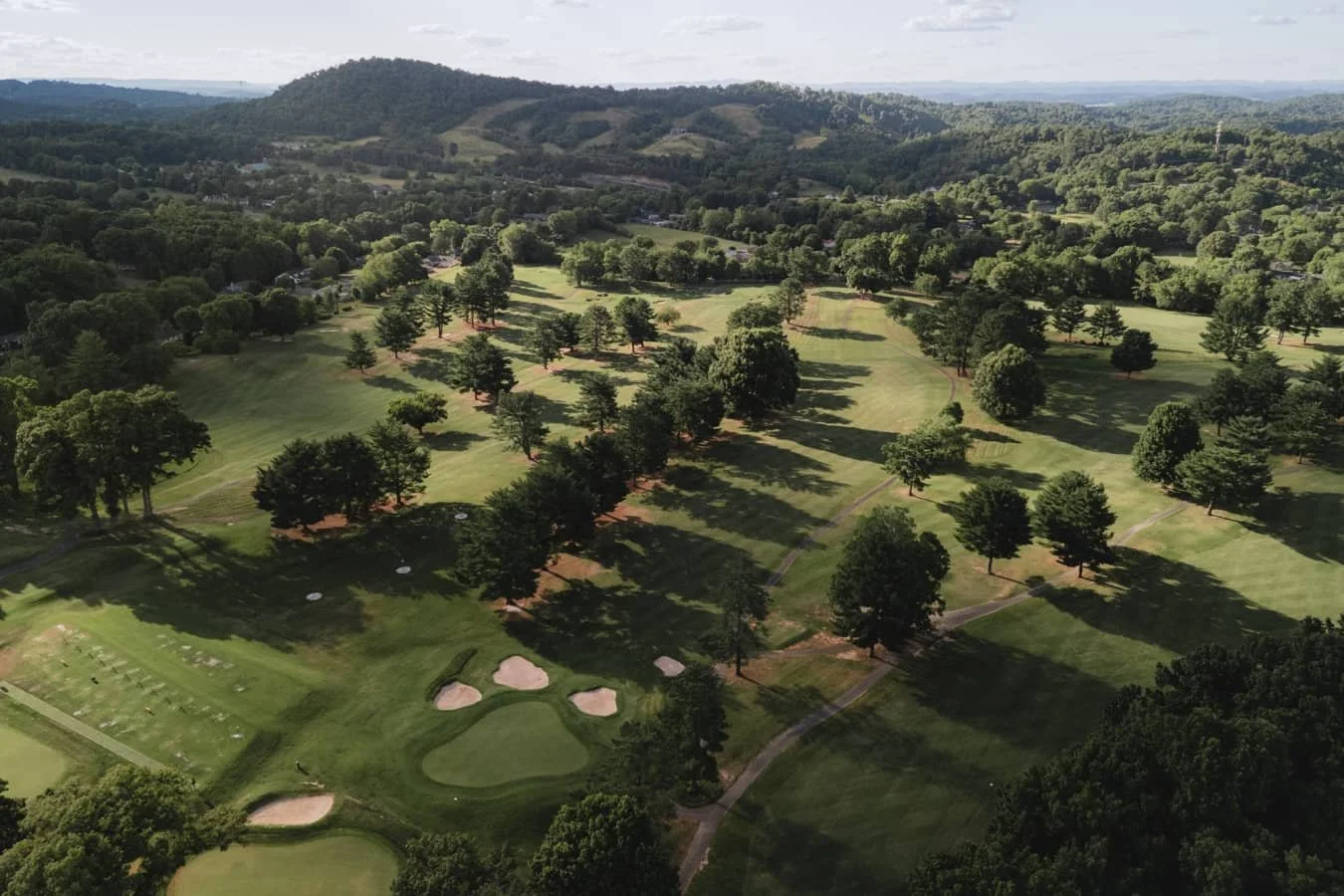
Johnson City Country Club
TN, USA | The only A.W. Tillinghast course in Tennessee deserved more love than it had received. Working under the direction of architect Mike Young, we used the club’s extensive archival materials to redesign bunkers in a Tillinghast-style unique to this property.